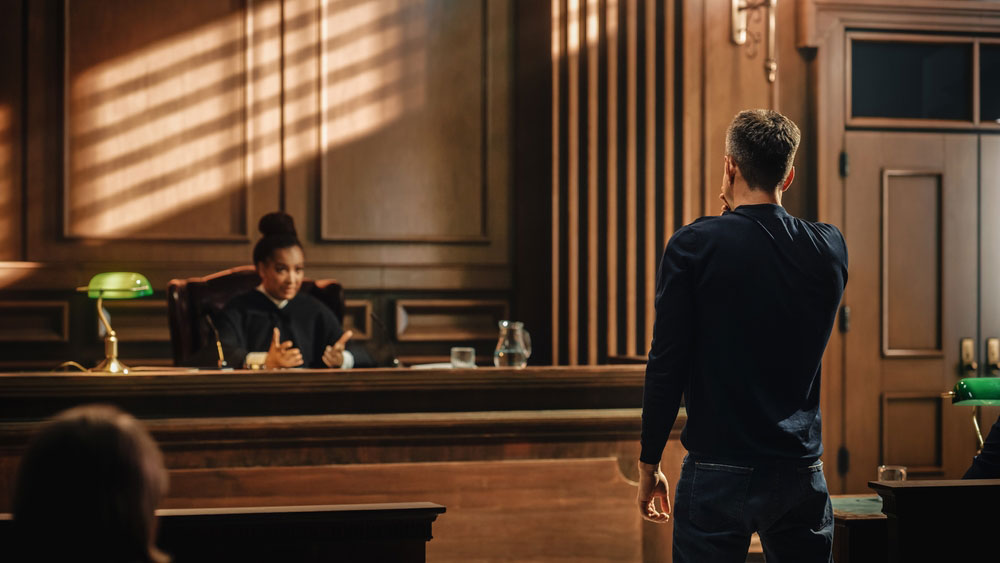
A former prosecutor’s inside knowledge of how cases get built can change how a criminal defense gets prepared, negotiated, and argued.
Key Takeaways:
- A former prosecutor knows which evidence will hold up in court.
- Plea negotiations shift once the other side knows your background.
- The Law Offices of Anna R. Yum built this approach around inside knowledge.
Most criminal defense attorneys learn how the prosecution builds a case from the outside, by reading reports and guessing at strategy. Anna R. Yum spent years on the inside of the Riverside County District Attorney’s Office, deciding which cases to file and how to argue them in front of a jury.
That experience does not disappear once someone switches sides. It shapes which details get flagged early, which arguments tend to move a prosecutor, and which parts of a police report are worth challenging before a case ever reaches trial.
Below are five specific ways that inside view changes how a case gets handled at the Law Offices of Anna R. Yum | Criminal Attorneys.
1. Knowing Which Evidence Prosecutors Rely On
Prosecutors do not build a case out of everything in a police report. They build it around the two or three pieces of evidence they believe will hold up in front of a jury, often deciding which those are before arraignment even happens.
That call is one Anna R. Yum used to make herself for the Riverside County District Attorney’s Office. Her background shapes three things about how our team reviews a new file:
- Which facts a jury is likely to remember once a trial gets underway.
- Where circumstantial evidence needs corroboration, and where it stands on its own.
- Which records are worth requesting immediately, before memories or evidence start to shift.
Knowing the difference in advance changes how a case gets prepared from the first meeting.
2. Reading a Police Report the Way a Prosecutor Would
A police report reads differently once you have spent years deciding whether it supports a filing. Small inconsistencies that might look minor to an outside reader can be exactly the gaps a prosecutor already noticed and quietly worked around before charges were even filed.
Our founder brings that same read to every case file that crosses her desk now, from the other side of the table. Combined with William Sharp’s two decades as a deputy public defender, our team looks at a report from both the prosecution’s angle and the defense’s.
That combination shows up in small, specific ways once someone knows what to look for:
- A witness statement recorded three different times, each with slightly different details.
- An officer’s report written hours after the incident instead of during it, when memory has already started to shift.
- A timeline with a gap no one has explained yet, the kind a prosecutor is trained to either shore up or quietly set aside.
Knowing which one a specific report is doing shapes the questions we ask early.
3. Negotiating From a Position Prosecutors Take Seriously
Plea negotiations move differently when a defense attorney can speak directly to a prosecutor’s filing standards. A former prosecutor knows which arguments land and which ones a deputy district attorney has already heard many times.
That background shifts where negotiations start. Most cases in California resolve during the pretrial process, where both sides share evidence and try to reach an agreement before a trial date is set.
Marissa Mendoza brings that same directness to the table. She builds negotiations around specific, evidence-based points, a habit that traces back to the state’s own filing standards rather than general advocacy language. That approach shapes how early a realistic resolution comes into view, sometimes well before a case is set for trial.
4. Spotting the Weak Points in the State’s Timeline
Every criminal case runs on a timeline the prosecution has to prove, from the initial stop or 911 call through the arrest and everything documented after it. A gap in that timeline, whether it’s a DUI arrest or a domestic violence charge, can be the difference between a charge that sticks and one that gets negotiated down.
A timeline gap does not always mean a case falls apart on its own. Prosecutors typically fill those gaps through one of a few methods:
- Follow-up witness interviews, conducted after the initial report is filed.
- Supplemental reports, added once new details surface.
- Forensic timing evidence, used to place events in a specific order.
That kind of review is where Marissa Mendoza’s dismissals and reduced charges tend to start, and it’s often the difference between a case that goes to trial and one that resolves before it gets there.
5. Anticipating How the Prosecution Will Argue at Trial
A prosecutor spends years deciding how to open a case, which order to call witnesses in, and where to press hardest during cross-examination. That rhythm does not disappear once someone moves to the defense side.
Anna R. Yum’s trial experience includes arguing cases from the prosecution’s chair, which shapes how she anticipates the state’s opening themes and closing arguments before they are made. Cross-examination questions get built around what the state is likely to argue, not a generic script.
Recognizing that pattern in advance is part of what separates trial preparation from trial improvisation.
Frequently Asked Questions About Hiring a Former Prosecutor
A few questions come up often when people weigh this factor while choosing a defense attorney.
Does hiring a former prosecutor guarantee a better outcome?
Every criminal case carries uncertainty, and no attorney can guarantee a result. A prosecutorial background offers a more accurate read of how the state’s case was built, which shapes strategy from day one.
Do all defense attorneys have prosecution experience?
No. Many defense attorneys learn how prosecutors think secondhand, through case law and courtroom observation, rather than from having filed and argued cases themselves.
Does this background matter for every type of charge?
It applies across case types, from a first misdemeanor arrest to a serious felony, since the same filing decisions and evidentiary standards run through the system at every level.
How can you verify an attorney’s prosecution background?
California’s State Bar website lists an attorney’s admission history. Most former prosecutors are specific about which office they served and for how long, the same way Anna R. Yum’s history with the Riverside County District Attorney’s Office is part of her public record.
What This Adds Up To
At the Law Offices of Anna R. Yum | Criminal Attorneys, this perspective runs through our team rather than sitting with one attorney. Each of the five areas above connects to the next, from the first evidence review through negotiation and, when needed, trial:
- Evidence gets weighed the way a prosecutor would weigh it, before a defense strategy is built.
- Police reports get read for the same small inconsistencies a prosecutor is trained to either fix or set aside.
- Negotiations start from a credible read of the state’s case, not a general appeal for leniency.
- Timelines get checked for the gaps that matter at trial.
- Trial strategy gets anticipated before the state has argued a single word in front of a jury.
With more than 50 years of combined trial experience and attorneys available 24/7, that same lens applies whether a case is a first arrest or headed toward trial.
Book Your Free Consultation With a Team That’s Seen Both Sides
Every case benefits from a defense built on more than guesswork about what the prosecution is thinking.
At the Law Offices of Anna R. Yum | Criminal Attorneys, that insight comes from firsthand experience on both sides of the courtroom.
Book your free consultation to talk through your case with a team that knows how it’s being built against you.