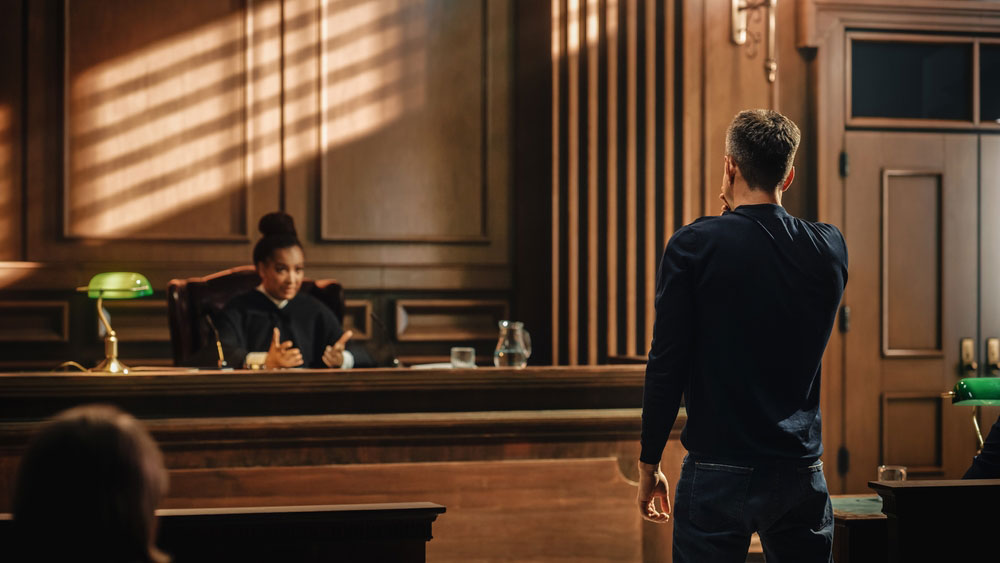
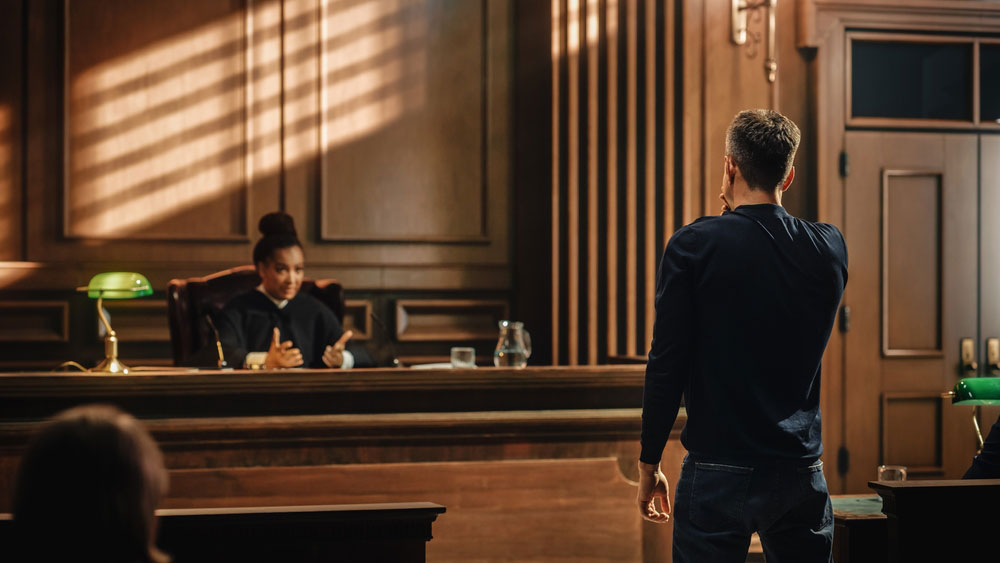
A Department of Motor Vehicles (DMV) hearing after a Driving Under the Influence (DUI) arrest is an administrative proceeding that decides whether the DMV will suspend your driver’s license. It is completely separate from your criminal court case, and it follows different rules. The DMV must prove a list of facts to suspend your license. In addition, the hearing is run by a DMV officer rather than a judge. However, you retain the right to challenge the evidence used against you.
At the Law Offices of Anna R. Yum, San Diego DUI attorney Anna R. Yum draws on her experience as a former Riverside County Deputy District Attorney to defend drivers across San Diego County, including La Mesa, El Cajon, and Chula Vista. We assist drivers within the 10-day hearing request period to protect their driving privileges.
This guide explains how California DMV hearings work, what the DMV must prove to suspend your license, what happens step-by-step during the hearing, and what steps you can take to challenge the suspension.
If you are facing a DMV hearing after a DUI arrest in San Diego, the Law Offices of Anna R. Yum can help you act quickly and protect your license. Call (619) 233-4433 today to discuss your case.
Is a DMV Hearing the Same as Your DUI Court Case?
No. A Department of Motor Vehicles (DMV) hearing and a criminal Driving Under the Influence (DUI) case are two separate proceedings that run on parallel tracks. They involve different decision-makers, different burdens of proof, and different outcomes.
The criminal case takes place in court before a judge. A conviction can result in jail, fines, probation, and a permanent criminal record. The DMV hearing, by contrast, deals only with your driving privilege. It cannot send you to jail, and it cannot give you a criminal record.
The burdens of proof also differ. In the criminal case, the prosecutor must prove guilt “beyond a reasonable doubt.” At the DMV hearing, the standard is much lower: “preponderance of the evidence,” meaning more likely than not. Because the bar is lower, the DMV can still suspend your license even when the criminal charges are reduced or dismissed.
Important Exception: There is one key crossover under California law. If you go to trial in criminal court and are formally acquitted (found “not guilty”) of driving with a BAC of 0.08% or higher, the DMV is legally required to overturn your administrative suspension and reinstate your license.
Key Takeaway: A DMV hearing and a DUI criminal case are separate proceedings in California. While a typical dismissal or reduction in court does not stop a DMV suspension, a formal court acquittal on your BAC charge will force the DMV to reverse its decision.
How Do You Request a California DMV Hearing After a DUI?
You have only 10 days after receiving the DMV Order of Suspension or Revocation to request an administrative hearing before the suspension automatically takes effect.
When you are arrested, the officer usually confiscates your physical license and hands you an Order of Suspension and Temporary License. That pink document lets you keep driving for 30 days from the date it was issued.
To request the hearing, you contact the DMV Driver Safety Office that handles your area. You can request it by phone, and the DMV can schedule the proceeding by telephone or in person. Here is what the process generally looks like:
- Contact the appropriate DMV Driver Safety Office to request the Administrative Per Se (APS) hearing.
- Ask for a “stay” of the suspension, which keeps your driving privilege active past the 30-day temporary period until the hearing is decided.
- Request copies of the DMV’s evidence so you can review it before the hearing.
If you request the hearing within the deadline, the DMV typically grants a stay, allowing you to drive until a decision is issued. If you miss the deadline, you may lose the hearing and the stay, and the suspension can take effect automatically.
What Must the DMV Prove at a California DUI Hearing?
The DMV cannot suspend your license just because you were arrested. Under California’s Administrative Per Se law, the facts the DMV must prove depend on whether the case is based on a failed chemical test or an alleged refusal.
In a BAC-based APS case, the DMV must prove reasonable cause, arrest or lawful detention where applicable, and a qualifying Blood Alcohol Concentration (BAC) result. In a refusal case, the DMV must also prove that you were properly warned about the consequences of refusing and that you refused or failed to complete the test.
Was the Arrest Lawful?
A lawful arrest requires that the officer had reasonable cause to believe you were driving while impaired. That cause usually comes from the traffic stop itself: weaving, a traffic violation, or signs of impairment during the stop. If the initial stop was not justified or the officer lacked reasonable cause, the lawfulness of the arrest can be challenged. A defective stop can undercut the entire suspension.
Was the Driver Properly Advised About the Chemical Test?
California’s implied consent law, found in California Vehicle Code § 23612, requires officers to warn drivers about the consequences of refusing a chemical test. The officer must tell you that refusal or failure to complete the test can result in suspension or revocation of your driving privilege.
When officers fail to give the required warning or give it incorrectly, that mistake may become a defense, especially in refusal cases where the DMV must prove the driver received the required warning.
Did the Driver Refuse or Fail the Chemical Test?
The third element looks at the test result or refusal. For most adult, noncommercial drivers, a BAC of 0.08% or higher triggers the BAC-based APS suspension under California Vehicle Code § 13353.2, while a refusal or failure to complete chemical testing is handled under California Vehicle Code § 13353.
To prove this, the DMV relies on the officer’s sworn DS-367 form, along with breath or blood test results. Errors in how the test was administered, recorded, or reported can weaken this element.
Key Takeaway: The DMV must prove the required facts by a preponderance of the evidence. In a BAC-based APS case, those facts include reasonable cause, lawful arrest or detention where applicable, and a qualifying BAC result. In a refusal case, the DMV must also prove the refusal advisement and the refusal or failure to complete testing.
What Actually Happens During a San Diego DMV Hearing?
The hearing is a focused administrative proceeding, not a courtroom trial. It usually lasts 30 to 60 minutes, and it centers entirely on the three elements the DMV must prove.
Who Runs the Hearing and Where Is It Held?
The hearing is run by a DMV hearing officer at a Driver Safety Office, not by a judge. In San Diego County, the proceeding is handled through the San Diego Driver Safety Office, and it can take place either by telephone or in person.
The hearing officer is a DMV employee, not a neutral judge. The officer presents both the DMV’s case and decides the outcome, which is one reason having your own advocate matters.
What Evidence Does the DMV Use?
The DMV builds its case on documents. The central piece is the officer’s sworn DS-367 statement, supported by breath or blood test results and the officer’s police report.
You have the right to subpoena witnesses, including the arresting officer and the lab technician who analyzed your sample. Cross-examining these witnesses can expose gaps, inconsistencies, or procedural mistakes in the DMV’s evidence.
How Can You Challenge the Evidence?
Several issues commonly come up at these hearings. A defense may focus on an unlawful traffic stop, an improper or missing implied consent advisement, or a “rising BAC” argument that your alcohol level was still climbing and was below 0.08% while you were actually driving.
Faulty breathalyzer calibration is another frequent challenge. If the device was not properly maintained or calibrated, the reading it produced may be unreliable. After the hearing, the DMV hearing officer issues a written decision. If the DMV sustains the suspension, you may seek departmental review and, in appropriate cases, judicial review.
Key Takeaway: A San Diego DMV hearing is run by a DMV hearing officer, not a judge, and usually lasts 30 to 60 minutes. The proceeding relies on the DS-367 form and test results, but you have the right to subpoena and cross-examine the officer and lab technician.
What Happens If You Lose the California DMV Hearing?
If the hearing officer upholds the suspension, the length depends on whether you failed or refused the chemical test and whether you have prior offenses.
| Trigger | First Offense | Second or Subsequent (within 10 years) |
|---|---|---|
| Failed chemical test (BAC ≥ 0.08%) | 4 months | 1 year |
| Chemical test refusal | 1 year | 2 years with one prior; 3 years with two or more priors within 10 years |
| Driver under 21 (BAC ≥ 0.01%) | 1 year | 1 year |
Even after a suspension takes effect, you may be able to keep driving. Depending on the case, some drivers may be eligible to apply separately for a restricted license, including an IID-restricted license or a work/program-related restriction. Eligibility depends on the driver’s record, the type of suspension, proof of enrollment, fees, proof of insurance, and other DMV requirements.
You also have the right to challenge an adverse decision. A driver may request departmental review, and California Vehicle Code § 13559 allows judicial review in the proper court within 30 days after the DMV issues a decision sustaining the suspension or revocation. Reinstatement may also require reissue fees and proof of financial responsibility.
Key Takeaway: A first-offense DUI suspension in California lasts 4 months for a failed test or 1 year for a refusal. Some drivers may be eligible for an IID-restricted license or another limited driving restriction, depending on the suspension type, prior history, DUI program enrollment, proof of insurance, fees, and other DMV requirements.
DUI Defense Attorney in San Diego, CA – Law Offices of Anna R. Yum

Can You Win a DMV Hearing in San Diego?
Yes. DMV hearings can be successfully challenged and are not decided automatically. When the DMV cannot prove all three required elements, the hearing officer must set aside the suspension.
Several scenarios create potential grounds for challenging the suspension. These include an unlawful traffic stop, an officer who fails to properly give the implied consent advisement, a breathalyzer that was not correctly calibrated, and an officer who does not appear after being subpoenaed.
The officer’s absence can be an important factor. When the arresting officer is properly subpoenaed and fails to appear, that absence can create a basis for challenging the suspension, especially if live testimony is needed to resolve disputed facts. The outcome still depends on the documents, the issues raised, and the hearing officer’s ruling.
How Does Having an Attorney Change the Outcome?
An attorney changes a DMV hearing from a one-sided document review into a contested proceeding. The DMV hearing officer presents the case and decides it, so an unrepresented driver is often outmatched on both procedure and evidence.
A DUI attorney performs several specific tasks that a pro se driver typically cannot. These include:
- Subpoenaing the arresting officer and lab technician so their testimony can be tested under cross-examination.
- Obtaining breathalyzer calibration and maintenance records to challenge the reliability of the test result.
- Cross-examining witnesses to expose inconsistencies between the report, the DS-367 form, and the testimony.
- Identifying procedural defects in the DS-367 sworn statement, the advisement, or the stop itself.
- Preserving the record for a possible appeal to the superior court.
Self-represented drivers may have some of these procedural rights, but an attorney can use them more effectively by identifying the right witnesses, requesting records, cross-examining testimony, and preserving issues for review.
Discuss Your DMV Hearing with an Experienced San Diego DUI Lawyer
A license suspension can disrupt your job, your family responsibilities, and your daily life.With only 10 days to request a hearing, it is important to act quickly after a DUI arrest.
San Diego DUI defense attorney Anna R. Yum represents drivers at California DMV Administrative Per Se (APS) hearings and throughout the related DUI process. At the Law Offices of Anna R. Yum, our team requests timely hearings, challenges the DMV’s evidence, subpoenas witnesses when appropriate, and advocates for clients throughout the Administrative Per Se (APS) hearing process.
Call the Law Offices of Anna R. Yum at (619) 233-4433. Our office is located at 1230 Columbia St #1140, San Diego, CA 92101, and serves drivers throughout San Diego County, including La Mesa, El Cajon, and Chula Vista.
Frequently Asked Questions About DMV Hearing in California
How long does a California DMV hearing take?
Most DMV hearings last about 30 to 60 minutes. They are held either by telephone or in person at the DMV Driver Safety Office.
What is the 10-day rule for a DMV hearing in California?
You must request an Administrative Per Se (APS) hearing within 10 days of receiving the DMV Order of Suspension or Revocation. If you miss this deadline, your license is suspended automatically and you lose the right to a hearing.
Can I drive while waiting for my DMV hearing in San Diego?
Yes. If you request the hearing within 10 days, the DMV typically issues a stay of suspension. This allows you to keep driving on your temporary license until the hearing officer makes a decision.
What happens if the officer doesn’t show up to the DMV hearing?
If the arresting officer is properly subpoenaed and fails to appear, that absence may support a challenge to the suspension, depending on what facts remain disputed and what evidence the DMV has.
Is the DMV hearing recorded?
Yes. APS hearings in California are audio-recorded, and drivers can request a copy of the recording or a transcript for review.
Can I request a DMV hearing if I refused the chemical test?
Yes, but the suspension period for a refusal is longer, one year for a first offense. In a refusal case, the DMV must prove lawful arrest, proper advisement, and that you actually refused.
What is the difference between an APS hearing and a DMV hearing?
They are the same thing. APS stands for Administrative Per Se, the formal name for the DMV license suspension hearing triggered by a DUI arrest.
Does winning the DMV hearing affect my criminal DUI case?
Not directly, because the two proceedings are separate. However, evidence developed at the DMV hearing, such as officer testimony, can sometimes be useful in the criminal case.